
Dental Sedation and Anesthesia: What to Know
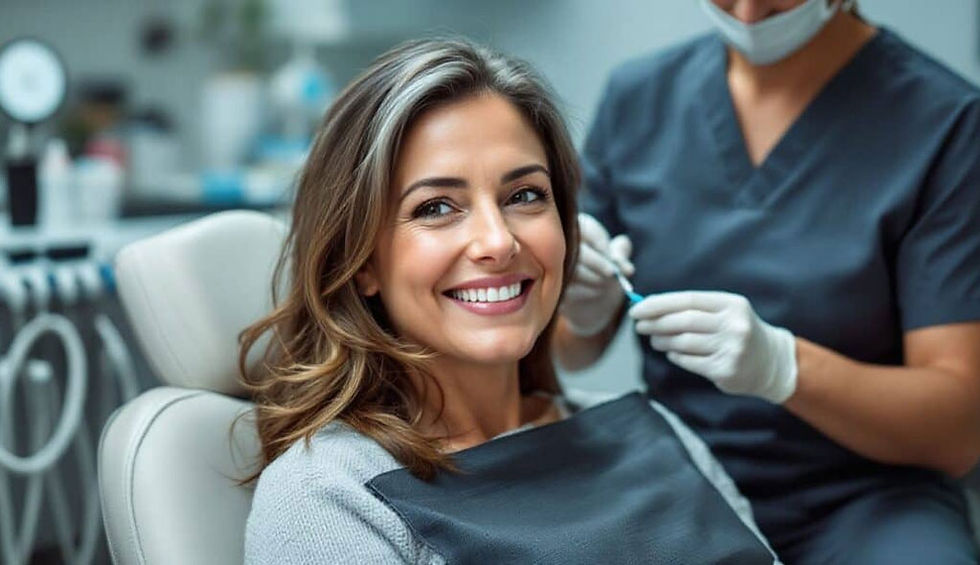
Modern dentistry has evolved significantly, prioritizing your personal comfort just as highly as your clinical results. For many patients, the mere thought of a dental chair triggers a sense of hesitation or even profound fear. Research indicates that approximately 36 percent of the population suffers from dental anxiety, often clinically referred to as dentophobia. This psychological barrier frequently leads individuals to postpone essential cleanings or restorative treatments, potentially turning minor issues into complex dental emergencies.
Sedation dentistry offers a vital bridge between your long-term oral health goals and a serene, stress-free clinical experience. By utilizing specialized medications to dampen the nervous system's response, your provider can ensure that deep-seated dental fears, a low pain threshold, or a sensitive gag reflex do not stand in the way of a healthy smile. These techniques allow you to remain calm and cooperative throughout your entire appointment.
Understanding Sedation Dentistry
Sedation dentistry utilizes specialized pharmacological agents to help patients remain calm and relaxed throughout various dental procedures. This approach is a vital tool for managing severe dental anxiety, providing a comfortable solution for individuals with highly sensitive teeth, a strong gag reflex, or a debilitating fear of needles. Whether you are undergoing a routine prophylactic cleaning or complex periodontal surgery, sedation ensures a peaceful, pain-free experience that prioritizes patient comfort.
Sedation can also be an essential component for patients with underlying medical conditions like epilepsy or hypertension, where minimizing physiological stress is a medical necessity to prevent complications. Sedation also plays a critical role in controlling involuntary muscle movements in patients. By stabilizing the patient, the clinician can perform intricate dental work with greater precision, safety, and efficiency, ultimately improving the overall standard of care.
Level of Sedation | Administration | Effectiveness and Memory | Recovery |
Local Anesthesia (Lidocaine) | Injected near the treatment site(s). | Eliminates local pain effectively and the patient remains fully conscious and alert. | Numbing wears off in 2-4 hours; patients are safe to drive themselves home. |
Minimal Sedation (Nitrous Oxide) | Inhaled through a comfortable nose mask. | Relieves mild anxiety while keeping the patient fully conscious; full memory is retained. | Immediate recovery; patients are safe to drive themselves home. |
Moderate Sedation (Halcion, Valium, or Versed) | Oral pill or liquid syrup taken before the procedure. | Induces deep relaxation and drowsiness; patients typically have only partial memory of the treatment. | Effects last several hours; requires a designated driver for transport. |
Deep Sedation (IV) (Propofol, Etomidate) | Administered directly through an intravenous line. | Achieves a "twilight sleep" state where the patient is responsive but has very little memory of the procedure. | Extended recovery period (6 to 24 hrs); requires a driver and significant rest at home. |
General Anesthesia | Combination of IV fluids and inhaled gases. | Complete unconsciousness for complex oral surgery; the patient has no memory of the treatment. | Longer recovery (~24 hrs); requires professional monitoring and a companion for 24-hour supervision. |
Local Anesthesia
Local anesthesia is the most common form of pain management in dentistry, serving as the primary solution for minor to moderate restorative procedures. It is the treatment of choice for routine clinical tasks such as filling cavities, preparing crowns, performing root canals, and simple extractions. Because it targets only the specific nerves at the site of the procedure, it allows patients to remain fully conscious and communicative throughout their visit. For many, this "numb-only" approach is preferable to sedation as it requires zero preparation, such as fasting or arranging for a driver.
The primary benefit of local anesthesia lies in its ability to provide profound pain relief with minimal systemic impact. Modern anesthetics are exceptionally safe and have been used in billions of procedures worldwide and serious complications are extremely rare. This high safety profile makes it appropriate for a wide range of patients, including children, the elderly, and those with various medical histories who may not be ideal candidates for more intensive general anesthesia or deep sedation.
Minimal Sedation

Commonly known as laughing gas, nitrous oxide is the most frequent form of minimal sedation used in dental practices to manage patient anxiety. It is administered through a small, comfortable mask placed over the nose, allowing you to breathe nitrous oxide (laughing gas), a controlled mixture of oxygen and nitrogen. This gas acts rapidly, typically taking effect within three to five minutes to induce a state of deep relaxation and light euphoria, making procedures like deep cleanings or fillings feel significantly less stressful.
One of the primary clinical benefits of nitrous oxide is its precise adjustability. Your dental team can increase or decrease the level of sedation instantly throughout the procedure to ensure your comfort. Because the gas is eliminated from your system within minutes of removing the mask, it does not cause a "hangover" effect or impair your cognitive functions, meaning you can safely drive yourself home afterward.
Oral Conscious Sedation

Oral conscious sedation involves taking a prescribed sedative, typically in pill form, about an hour before your scheduled appointment. This method is an excellent solution for patients dealing with moderate dental anxiety or those undergoing longer, more complex procedures. Common medications used in this category include benzodiazepines such as Triazolam (Halcion), Diazepam (Valium), and Zaleplon (Sonata), which effectively decrease activity in the brain's fear centers.
Other specialized medications like Lorazepam (Ativan) or Loreev XR may be selected depending on the anticipated length of the treatment. For younger pediatric patients or individuals who have difficulty swallowing pills, midazolam syrup serves as a common, fast-acting liquid alternative. While you remain technically awake and capable of responding to the dentist’s physical cues or verbal commands, you will feel profoundly drowsy, relaxed, and may even drift into a light sleep during the procedure.
Deep Sedation (IV)
Intravenous or IV sedation provides the deepest level of conscious sedation available in modern dentistry. Administered directly into the bloodstream by a dental anesthesiologist or a specially trained oral surgeon, medications such as Midazolam (Versed) take effect almost instantly. This state is frequently referred to as "twilight sleep," where the patient remains technically conscious and able to respond to verbal cues but exists in a dream-like state of profound relaxation.
A significant benefit of this method is the amnesic effect; patients typically emerge with no memory of the sights, sounds, or discomfort of the procedure. Throughout the treatment, the clinical team utilizes advanced equipment for constant vital signs monitoring to ensure maximum safety. This option is particularly ideal for lengthy or complex surgeries, such as wisdom tooth extractions or full-mouth reconstructions, where maintaining patient stillness is critical for clinical precision.
General Anesthesia
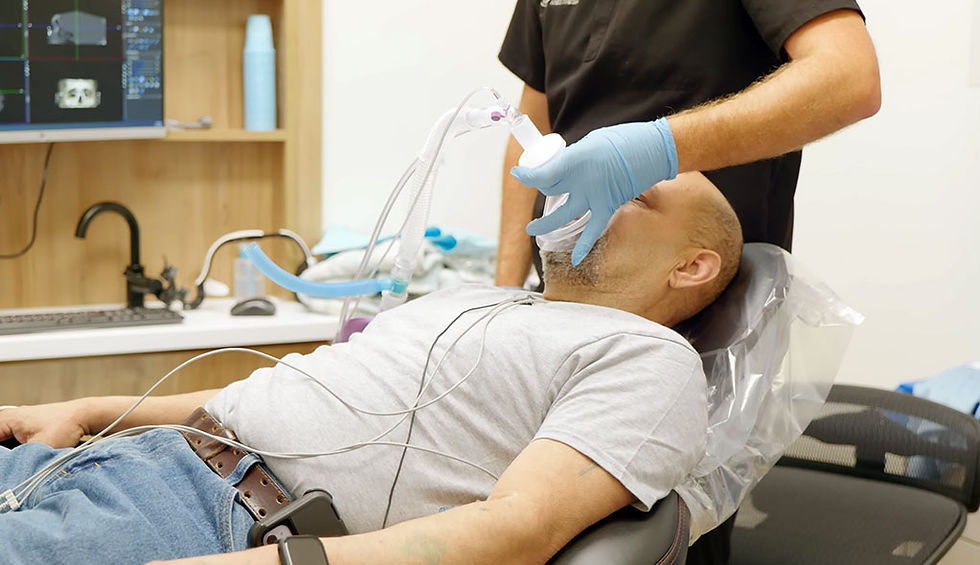
General anesthesia represents the highest level of sedation, inducing a state of complete unconsciousness where the patient is entirely unresponsive to stimuli. This specialized medical service is administered exclusively by board-certified anesthesiologists or nurse anesthetists in a strictly controlled clinical environment. Unlike conscious or moderate sedation, you will be completely unaware of your surroundings, lack any memory of the procedure, and will require mechanical assistance with breathing and cardiovascular monitoring.
For extensive reconstructive procedures like the 3 on 6 dental implant protocol, general anesthesia is often the most appropriate choice. It allows the oral surgeon to perform complex full-arch bone grafting and implant placements while the patient remains perfectly still. This controlled state eliminates the physiological stress of a lengthy surgery, prevents patient fatigue, and ensures the surgical team can work with maximum precision for the highest quality clinical outcome.
Comparing Your Sedation Options Efficacy and Safety Precautions
Sedation is indicated for a variety of clinical reasons that extend far beyond simple dental anxiety. While it is highly effective for calming nervous patients, it also serves as a critical tool for comprehensive pain management and for controlling a severe gag reflex that might otherwise impede delicate procedures. By relaxing the patient, practitioners can work more efficiently, often completing multiple treatments in a single session. However, before any sedative is administered, a rigorous medical history assessment is mandatory to ensure patient safety.
There are specific contraindications that must be carefully evaluated. Absolute contraindications typically include pregnancy, documented allergies to specific sedative agents, and high-risk drug interactions. Furthermore, heightened caution is necessary for patients with underlying respiratory issues, such as obstructive sleep apnea or recent pulmonary infections. Your safety remains the ultimate priority, and every clinical protocol is meticulously designed to protect your long-term well-being.
The 3 on 6 Experience: Why Anesthesia Matters
When undergoing a life-changing procedure like the 3 on 6, the ultimate goal is a seamless transition to your new smile. Utilizing general anesthesia or deep IV sedation ensures that the surgical placement of the dental implants is a serene, entirely pain-free experience. This high level of sedation is particularly beneficial for patients with dental anxiety or those requiring extensive bone grafting, as it allows our doctors to focus exclusively on the technical precision of the protocol while you rest peacefully.
By selecting the appropriate level of anesthesia, you effectively replace the memory of dental discomfort with the reality of a fully restored, functional smile. 3 on 6 providers are committed to providing a clinical environment where patient comfort is never compromised. Your dedicated team monitors your vitals throughout the entire appointment, ensuring your safety and tranquility during your transformation.

Frequently Asked Questions About Sedation Dentistry
Will I be completely unconscious during my dental implant procedure?
Consciousness levels depend on the chosen sedation. General anesthesia ensures total unconsciousness, while IV sedation induces a "twilight sleep" where you remain technically awake but deeply relaxed, typically retaining no memory of the surgery. Your doctor can assist you in selecting the appropriate option for your treatment.
Do I need someone to drive me home after sedation?
A companion must drive you home following oral sedatives, IV sedation, or general anesthesia due to lingering impairment. Nitrous oxide is the only exception; its effects dissipate within minutes, allowing patients to drive safely afterward.
Is sedation dentistry safe for patients with underlying medical conditions?
Sedation is safe for most, provided a thorough medical history is reviewed. We carefully evaluate conditions like sleep apnea or pregnancy to select the most appropriate and secure medication for your needs.
How long does the effect of sedation last after the procedure?
Nitrous oxide wears off instantly. However, oral and IV methods can cause drowsiness for six to twenty-four hours, requiring a full day of rest for complete recovery.
Will I feel pain during my dental treatment?
By combining sedation with local anesthetics, most dental providers can ensure the treatment area is entirely numb, providing a completely painless experience. However, the particular procedure, the selected sedation and anesthesia options, and your own biology are unique. If you have concerns, discuss them with your dentist before treatment.


What about https://luvme-hair.pissedconsumer.com/review.html I purchased some hair supplies from Luvme Hair, and I couldn't be happier with my experience! The quality of the products is outstanding, and they truly elevate my hair game. The styling tools are not only effective but also easy to use, making my routine so much smoother. Plus, the customer service was fantastic, ensuring I had everything I needed. I highly recommend Luvme Hair for anyone looking to enhance their beauty routine!
I keep a tab open with Crazyig for when I need a break during work. They have a decent collection of browser games that run smoothly without any lag. The racing and shooting categories are where I usually end up spending most of my time.
I have been watching the Norwegian online payment space for a while, and Jeton Cash Voucher options have grown noticeably this year. The system works on a prepaid logic, which appeals to people who prefer not to link bank accounts to third-party platforms. You load a fixed amount, use it, and that is roughly where the exposure ends.
jetoncashvouchercasino.no covers a selection of Norwegian-facing platforms that accept this method in 2026. From what I observed, the focus is mostly on transaction speed and whether the operator holds a valid Lotteritilsynet license. Those two factors matter more than anything else when evaluating a platform technically.
The voucher model does reduce certain risks tied to overspending, though it does not eliminate them entirely.…
Dalla lettura emerge che il documento evita l'inflazione retorica delle sue conclusioni. L'integrità dei dati è preservata durante tutta l'analisi. Il sito web radica l'analisi in un contesto informativo più ampio. La dinamica di abbandono è analizzata attraverso i segnali comportamentali delle piattaforme.
I can share some thoughts on how modern platforms are usually structured based on what I have observed. Most websites rely on a clean layout and clear navigation to help users find information without unnecessary hassle. A good structure typically includes a well organized main menu and a functional footer for essential details. If you want to analyze how pages handle data and layout you can look at examples like www.dolmoy.no to see the setup. It is always interesting to see whether a service focuses on visual elements or keeps things completely functional. I usually prefer platforms that remain simple and do not overload the screen with heavy graphics or hidden menus. A straightforward approach is generally more reliable for long…